• Head Office: Unit 502, 5th floor, No. 222, Kashani Ave, Tehran
  • Working Hours: Sat to wed, 8.30 AM - 5 PM (Tehran Time)
  • Phone

    +989121536145

Customs Clearance of Electrical Insulators for High-Voltage Substations (HS 8546 + Documents & Standards)
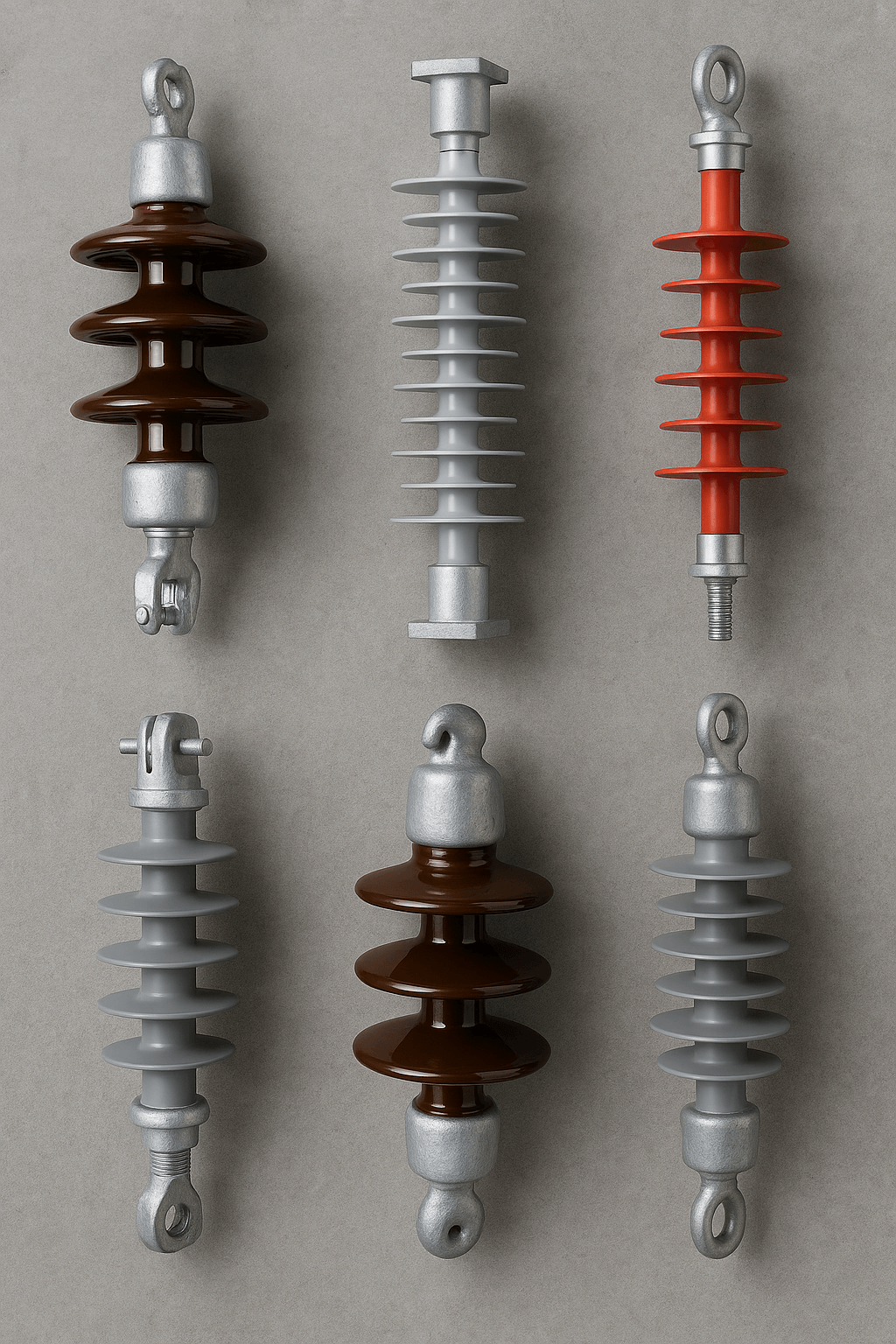
Customs clearance of various electrical insulators for high-voltage substations: Electrical insulators are strategic, key components in power transmission and distribution infrastructure. These critical electrical devices play a vital role in maintaining the safety, efficiency, and stability of transmission lines. By creating an electrical barrier between high-voltage lines and metallic structures (such as towers and poles), insulators prevent current from flowing to ground or other metal objects. Therefore, correct selection, proper operation, and timely clearance of these goods are essential to optimal power grid performance.
توضیح مراحل ترخیص این محصول

For estimates of time and cost to clear electrical insulators (high-voltage substations), contact the Saba Tarkhis experts.

Instant Free Consultation

1) Types of Electrical Insulators and Their Specialized Applications

Electrical insulators are designed and manufactured in various types depending on application, voltage level, environmental conditions, and technical specifications. Below is a detailed overview of insulator types and their specialized uses:

1. Pin Insulators

Pin insulators are among the most common types and are mainly used for low- and medium-voltage transmission lines. They are mounted vertically on wooden or metal crossarms and, thanks to their design, can withstand high weight and mechanical tension. Key features:
High mechanical strength: Designed to resist mechanical forces such as conductor weight and wind load.
Strong insulation: Typically made of high-quality ceramic/porcelain and offer good resistance to high voltages and harsh environmental conditions.
Applications: Widely used in urban and rural distribution and transmission lines.

2. Porcelain Insulators

Porcelain (ceramic) insulators are advanced, durable insulators for high- and extra-high-voltage levels in HV substations. Made from special ceramics (typically porcelain), they offer the following advantages:
High thermal resistance: Capable of withstanding very high temperatures.
Environmental resistance: Excellent stability against temperature changes, humidity, and weathering, with long service life due to strong physical and chemical integrity.
Applications: Suitable for high- and extra-high-voltage substations, particularly in harsh climates.

3. Glass Insulators

Glass insulators are popular and widely used on high-voltage lines. Owing to unique characteristics, including transparency and visual appeal, they are used in many transmission lines. Key features:
Transparency and visual inspection: Natural transparency makes changes and defects (such as cracks) easily visible.
Corrosion resistance: Stable against chemicals and corrosive agents, suitable for specific environments.
High electrical resistance: Able to withstand high voltages.
Applications: Widely used on high-voltage transmission lines, especially where visual inspection matters.

4. Composite Insulators

Composite insulators are recent innovations in the insulator industry. Made from high-strength polymeric materials, they are lighter than traditional types and offer the following advantages:
Pollution resistance: Due to special polymeric materials, they show greater resistance to environmental contaminants such as dust and industrial fumes.
Low weight: Lighter than porcelain and glass types, helping reduce installation and transport costs.
High flexibility: Composite structure provides better flexibility against impact and mechanical stress.
Long service life: Resistant to corrosion and harsh conditions, typically lasting longer than other types.
Applications: Widely used on high- and extra-high-voltage transmission lines, particularly in polluted and harsh environments.

2) Import and Export Conditions for Electrical Insulators

Import of electrical insulators into Iran: A significant portion of domestic demand is supplied from China, India, and several European countries due to high quality and competitive prices.
Export of electrical insulators from Iran: With the development of the power industry and domestic production, Iran has begun exporting these items to countries such as Iraq, Afghanistan, and some Central Asian states, aiming to increase foreign exchange revenue and expand export markets.

3) Import/Export Volume and Global Role

Import and export volumes: The average annual volume of electrical insulators imported to/exported from Iran is estimated at about 100 to 150 thousand tons. This amount varies based on the country’s infrastructure needs.
The global insulator market is experiencing significant growth due to developing countries expanding power infrastructure and developed countries needing to refurbish aging grids. Countries such as China, India, and the United States are among the largest producers. In contrast, the Middle East, Africa, and some Asian countries are major importers.

4) Key Points for Clearing Electrical Insulators

1. Tariff Heading (HS Code)

Tariff heading (HS Code): For clearing electrical insulators, referencing the correct tariff heading is crucial. These items are generally classified under 8546. Depending on insulator type and material, different subheadings may apply.

2. Required Documents

Required documents: To clear electrical insulators, the following are mandatory: Commercial Invoice, Bill of Lading, Certificate of Origin, and test certificates from internationally accredited bodies.

3. Standards and Technical Compliance

Mandatory standards: Electrical insulators must comply with recognized national and international standards. In Iran, ISIRI and IEC standards are the basis for assessing the quality and safety of these insulators.

4. Authenticity Verification and Quality Control

Authenticity and quality verification: One of the most important steps in clearing electrical insulators is ensuring product authenticity and quality. Low-quality insulators can cause serious incidents and widespread damage in transmission networks.

5. Practical Note

Clearance of certain specific items is subject to obtaining special permits.
Item Short Description HS Code
Electrical insulators (high-voltage substations) Porcelain / glass / composite; transmission lines 8546

Precise subheading depends on material, rated voltage, design (pin/suspension/post), manufacturing standard, and end use.

Need accurate HS classification, permits, and document preparation? Our team manages your case end-to-end.

Submit Proforma Request
توضیح مراحل ترخیص این محصول

Frequently Asked Questions

What is the HS code for electrical insulators?

In general, insulators fall under Chapter 85, heading 8546; the exact subheading depends on material, application, rated voltage, and manufacturing standard.

Which documents must be submitted for clearance?

Per your text: Commercial Invoice, Bill of Lading, Certificate of Origin, and test certificates from internationally accredited bodies. Depending on the case, ISIRI/IEC approvals may also be required.

Are special permits required for some types?

Yes. As noted, “clearance of certain items is subject to obtaining special permits.” Based on the project and technical specifications, additional inquiries with customs and relevant authorities are recommended.

What are common import origins for insulators?

According to your data: China, India, and several European countries. For Iran’s exports, destinations include Iraq, Afghanistan, and some Central Asian countries.

    Back to the List