.png)
Customs Clearance of Polyethylene in Iran (HDPE/LDPE/LLDPE + HS Codes & Documents)
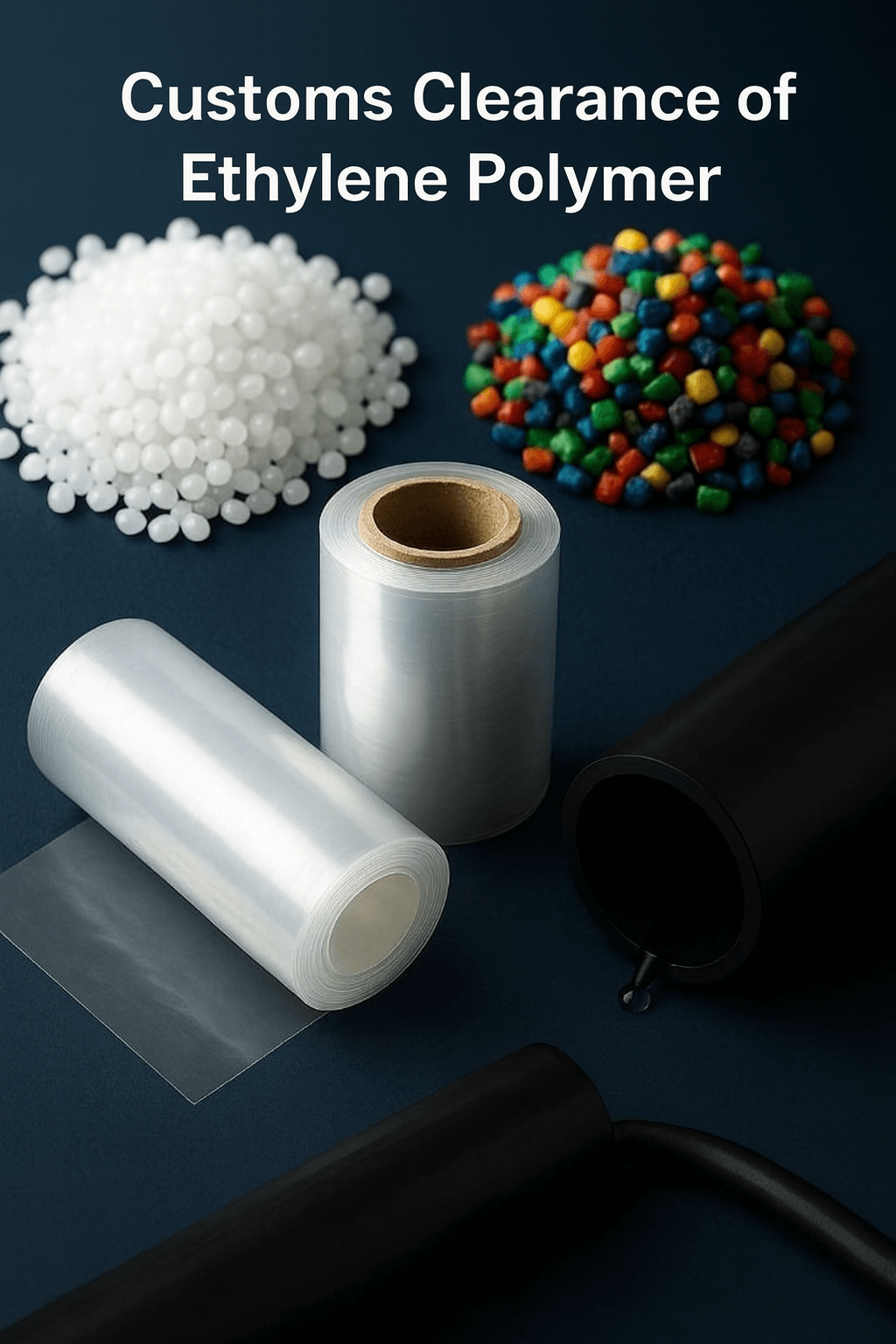
To estimate the time and cost of clearing Polyethylene (HDPE/LDPE/LLDPE), contact the Saba Tarkhis experts.
Fast & Free Consultation1) Types of Polyethylene & Uses with HS Codes
1. High-Density Polyethylene (HDPE)
- Pressure-resistant pipes for water and wastewater networks
- Rigid plastic containers such as bottles and fuel storage tanks
- Automotive and transport components
- Storage tanks for water and chemicals
HS Code: 390120
2. Low-Density Polyethylene (LDPE)
- Thin, soft packaging films for food and industrial uses
- Plastic bags, trash bags, and freezer bags
- Protective wraps for diverse packaged products
- Insulation for wire and cable
HS Code: 390110
3. Linear Low-Density Polyethylene (LLDPE)
- Drip irrigation tapes for agriculture
- Stretch and shrink films with high pressure resistance
- Protective covers for industrial/agricultural goods
- Impact-resistant packaging bags
HS Code: 390140
| Polyethylene Type | Key Applications | HS Code |
|---|---|---|
| HDPE (High Density) | Pipes, tanks, rigid bottles, auto parts | 390120 |
| LDPE (Low Density) | Packaging film, bags, wire & cable insulation | 390110 |
| LLDPE (Linear Low Density) | Stretch/shrink film, irrigation tape, tough bags | 390140 |
Final tariff selection depends on grade, form of supply (pellet/powder/granule), additives, and declared end-use.
2) Special Conditions for Import & Export of Polyethylene
Polyethylene Imports into Iran
Polyethylene Exports from Iran
Import & Export Volumes
3) Leading Global Exporters & Importers of Polyethylene
United States: a leading exporter thanks to shale-gas-based production.
Saudi Arabia: a key Middle East producer and exporter leveraging vast oil resources.
China: despite being the largest importer, it exports part of its domestic production.
South Korea & United Arab Emirates: also recognized as major global exporters.
China: the world’s largest importer due to fast-growing plastics and packaging industries.
India: a major importer driven by rapid growth in automotive and packaging.
Turkey: a key destination for Middle Eastern producers.
European countries: e.g., Germany and Italy, importing to supply advanced industries.
4) Global Market Value of Polyethylene
5) Required Documents for Clearing Polyethylene from Customs
Proforma Invoice: the initial document listing PE details, price, weight, quantity, and other specs; issued by the seller and confirmed by both parties.
Commercial Invoice: the primary financial document stating the final amount, payment terms, and related details; the basis for duties and taxes.
Packing List: complete packing details number of packages, gross/net weight, and dimensions to support customs inspection and physical verification.
Bill of Lading (B/L): issued by the carrier, evidencing shipment from origin to destination; includes shipper/consignee, origin/destination, weight, and quantities.
Certificate of Origin (CO): issued by the chamber of commerce in the origin country; helps customs determine tariff treatment based on country of production.
Standards Certificate (if required): confirms compliance with national/international standards, depending on grade and use.
Inspection Certificate: issued by inspection companies to verify quality and quantity per documentation.
Customs Declaration: filed electronically via the Integrated Customs System; includes full details such as value, HS code, and shipment info.
Import Permits (if required): for certain goods, specific permits from bodies such as the Ministry of Industry, Mine & Trade or the Environmental Protection Organization may be needed.
Cargo Insurance Policy: shows the shipment is insured during transit and potential losses are covered.
Order Registration: the purchase order must be registered in the NTW system prior to import; a mandatory prerequisite for clearance.
Need precise HS codes, full paperwork, and faster procedures? Our team manages the process end-to-end.
Request a Proforma Quote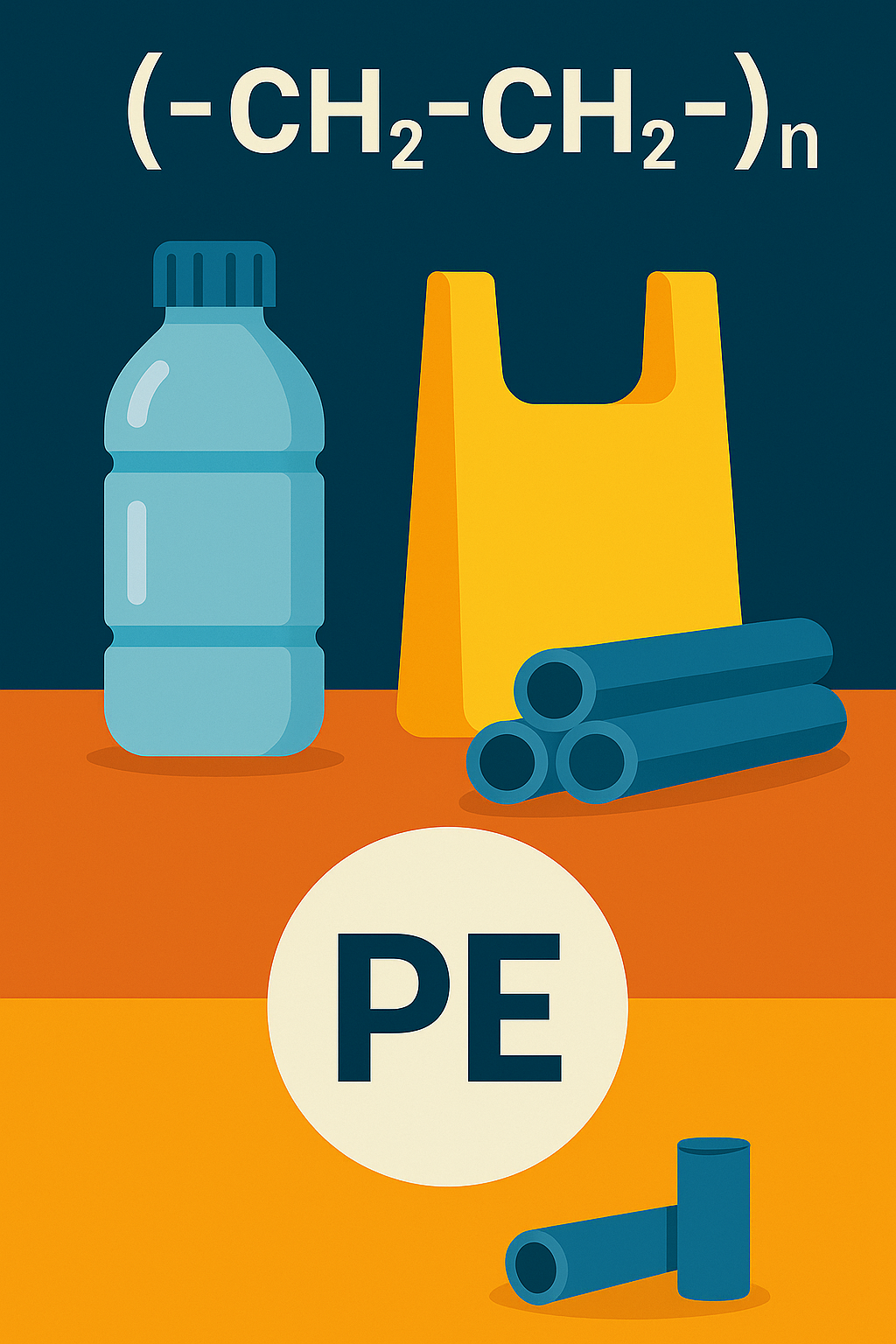
FAQs
What are the common HS Codes for polyethylene?
Typically: HDPE = 390120, LDPE = 390110, and LLDPE = 390140. Final determination depends on grade and form of supply.
Which documents are required to clear polyethylene?
Per the text: proforma & commercial invoice, packing list, bill of lading, certificate of origin, standards/inspection certificate (if required), customs declaration, import permits, insurance policy, and order registration.
What are common origins for Iran’s polyethylene imports?
Saudi Arabia, the UAE, South Korea, China, and India. Iran’s export destinations include Turkey, Iraq, Afghanistan, and Central Asia.
Saba Brokerage’s Specialized Polyethylene Clearance Services
Because of commercial sensitivities and customs regulations, polyethylene clearance demands expertise and experience. Professional services help importers complete the process faster and more accurately. A reputable brokerage in this field simplifies and reduces the cost of clearance with specialized solutions.
Tariff Advisory: precise HS selection is crucial to cost control. Our experts, fully versed in customs rules, help minimize unnecessary expenses.
Document Preparation & Completion: end-to-end support to prepare and submit correct paperwork on time, preventing potential issues.
Rapid Customs Follow-up: broad relationships and experience across Iranian customs houses enable the fastest possible processing.
FX & L/C Services: when needed, we facilitate letters of credit and foreign exchange services.
Duties & Taxes Payment: all statutory and tax procedures are handled accurately and transparently to avoid complications.
