.png)
Customs clearance of cyclohexanone and methylcyclohexanone from Iran Customs (HS Code + documents and permits)
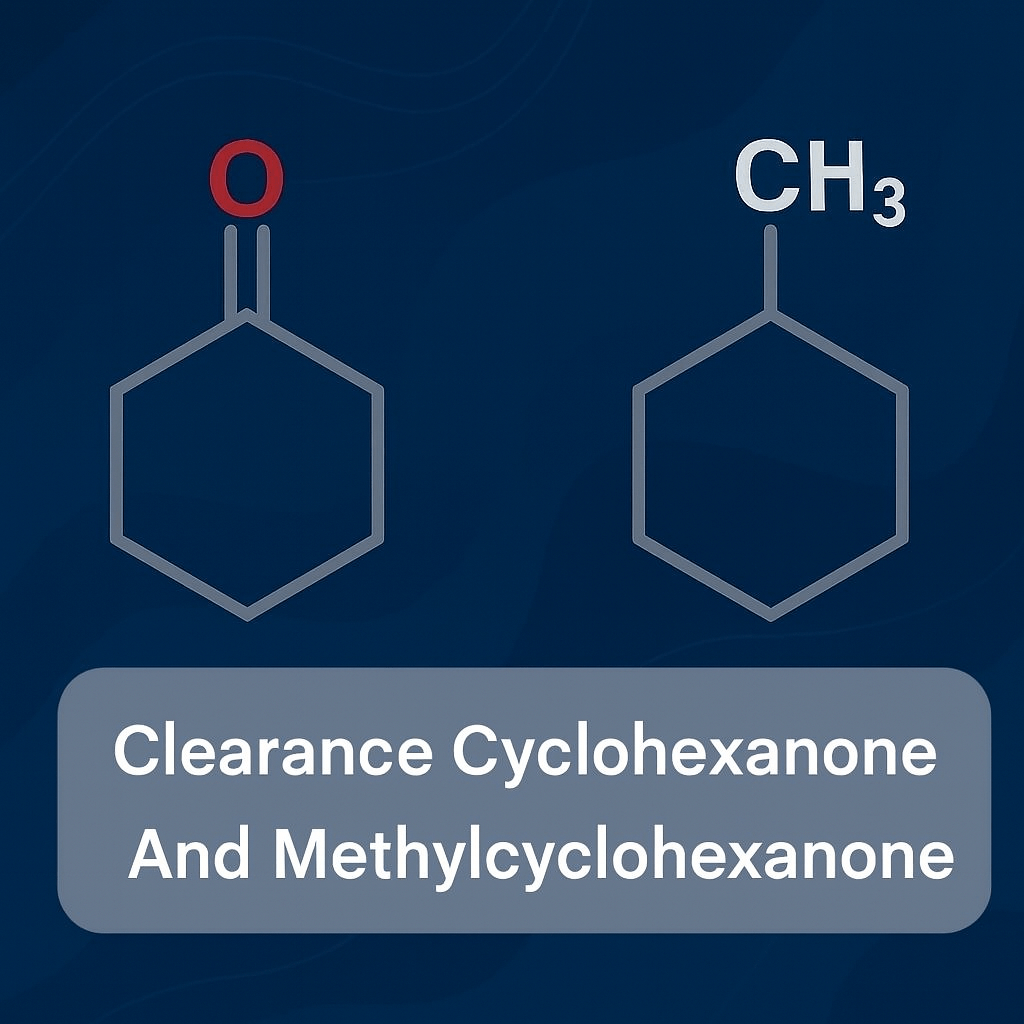
For estimating the time and cost of clearing cyclohexanone and methylcyclohexanone, contact the Saba Tarkhis experts.
Instant free consultation1) Applications of cyclohexanone and methylcyclohexanone
2) Key technical points in clearing cyclohexanone and methylcyclohexanone
HS code for cyclohexanone: 29142200
HS code for methylcyclohexanone: 29142300
Accurate HS Code entry can speed up the evaluation and determination of customs tariffs and prevent potential problems and delays in clearance.
3) Specific conditions for importing and exporting cyclohexanone and methylcyclohexanone
Most imports of cyclohexanone and methylcyclohexanone to Iran come from China, India, South Korea, and Germany. Due to strong infrastructure in petrochemical industries and large-scale production of chemicals, these countries are among the main producers and exporters of these materials worldwide. By supplying large volumes of cyclohexanone and methylcyclohexanone to international markets, these countries play a major role in meeting global industrial needs.
Domestic industries in Iran have a very high need for cyclohexanone and methylcyclohexanone, especially in the textile, plastics, and petrochemical sectors. According to available statistics, several thousand tons of these materials are imported annually to Iran to cover the demand of various industries. A large portion of these imports is allocated to the production of nylon 6 and nylon 6,6, used in producing various fibers and polymer materials.
Globally, China, the United States, Japan, and Germany are among the largest producers and exporters of cyclohexanone and methylcyclohexanone. With advanced petrochemical infrastructure and modern production technologies, these countries continuously supply these materials to international markets. They play an important role in the global circulation of these chemicals and supply major world markets.
The largest importers of cyclohexanone and methylcyclohexanone are countries with advanced petrochemical and chemical industries or those that use these materials to produce final products such as nylon, plastics, and synthetic fibers. Iran, India, South Korea, Brazil, and Turkey are among the main importers of these materials internationally. Given their growing industrial needs, these countries depend on importing these substances.
Global demand for cyclohexanone and methylcyclohexanone is increasing annually. Based on trade statistics, the production and global trade volume of these materials reaches several million tons per year. With the development of textile, plastics, and chemical industries in developing countries, demand for these materials is rising, and it is expected that the global turnover of cyclohexanone and methylcyclohexanone will continue to grow in the coming years.
4) Required documents for clearing cyclohexanone and methylcyclohexanone
The trade card is the primary permit for importing goods and must be obtained from the Chamber of Commerce. Without this card, the importer cannot initiate the clearance process.
The proforma invoice specifies exact purchase details, including the type of goods, quantity, and price. This document serves as the basis for the import order and currency allocation.
The final commercial invoice must include all item details, total price, and delivery terms. It is issued by the foreign seller and is the basis for calculating customs duties.
This certificate specifies the country in which the goods were produced and is necessary in certain cases to avoid paying additional tariffs. It is usually issued by the chamber of commerce of the exporting country.
Due to the chemical nature of these materials, a permit from the Department of Environment is required to ensure that the import complies with environmental standards.
This permit is required to ensure there are no health hazards from the chemicals and must be obtained from the Ministry of Health.
This document provides information about the chemical composition and physical properties of the goods and is usually issued by the manufacturer. The COA is essential for confirming quality and compliance with standards.
Sometimes, especially for sensitive chemicals, customs may request an inspection certificate from a reputable body. This certificate confirms that the goods conform to the declared conditions.
Importers must register the goods and order information in the Comprehensive Trade System. This process includes confirming the proforma invoice and obtaining the necessary permits.
The bill of lading specifies the goods’ details, loading location, and final destination. It is issued by the transport company and is mandatory for clearance.
The customs declaration must include precise information about the goods, including type, quantity, and value. This document is the basis for calculating customs tariffs and import duties.
Knowing the exact HS Code is essential for registering goods in the customs system. The following HS codes apply to cyclohexanone and methylcyclohexanone respectively:
Cyclohexanone: 29142200
Methylcyclohexanone: 29142300
Cargo insurance is necessary to compensate for potential losses during transportation and is therefore recommended.
The packing list includes complete details of the number of packages, their weight, and dimensions, and is necessary to match the goods with the customs declaration.
| Item | Short description | HS Code |
|---|---|---|
| Cyclohexanone | Industrial solvent; precursor to nylon 6 and 6,6 | 29142200 |
| Methylcyclohexanone | Strong solvent; used in paints/resins/plastics | 29142300 |
The exact classification depends on grade, purity, packaging, and end-use.
Need precise HS Code determination, obtaining permits, and preparing documents? Our team manages the case from A to Z.
Submit a proforma request
Frequently asked questions
What are the HS Codes for cyclohexanone and methylcyclohexanone?
Cyclohexanone is classified under 29142200 and methylcyclohexanone under 29142300; the final determination depends on technical specifications and use.
What permits are required for import?
As applicable: permits from the Department of Environment and the Ministry of Health, provision of a COA and MSDS, and compliance with dangerous goods packaging/labeling standards.
What are the safety tips for transport and storage?
Transport according to IMDG, store with proper ventilation and away from heat/sparks, use sealed and resistant containers, and ensure staff training and access to firefighting equipment.
Saba Brokerage’s special services for chemical clearance
With years of experience and expertise in clearing chemicals, Saba Brokerage provides comprehensive and professional services to clients. These services include the following:
Pre-import expert consulting: Our experts provide specialized advice on customs regulations and required documents to help importers carry out their import and clearance processes without any issues or delays. This consulting ensures you are aware of all requirements.
Continuous follow-up and expediting clearance: With full familiarity with customs regulations and administrative steps, all clearance stages are completed quickly and without delay. Our team continuously tracks clients’ cases and stays updated throughout the process.
Document preparation and permit procurement: All necessary permits from relevant organizations are obtained by our experienced team. By fully preparing the documents, we prevent any deficiencies or issues and complete the clearance process promptly.
Safe transport: If chemical cargo transport is needed, our team cooperates with reputable carriers to ensure goods are moved safely and in accordance with required standards.
With our services, you can be confident that all clearance stages will be carried out professionally and with high precision.
