• Head Office: Unit 502, 5th floor, No. 222, Kashani Ave, Tehran
  • Working Hours: Sat to wed, 8.30 AM - 5 PM (Tehran Time)
  • Phone

    +989121536145

Customs Clearance of Ammonium Persulfate in Iran (HS Code + Documents and Permits)
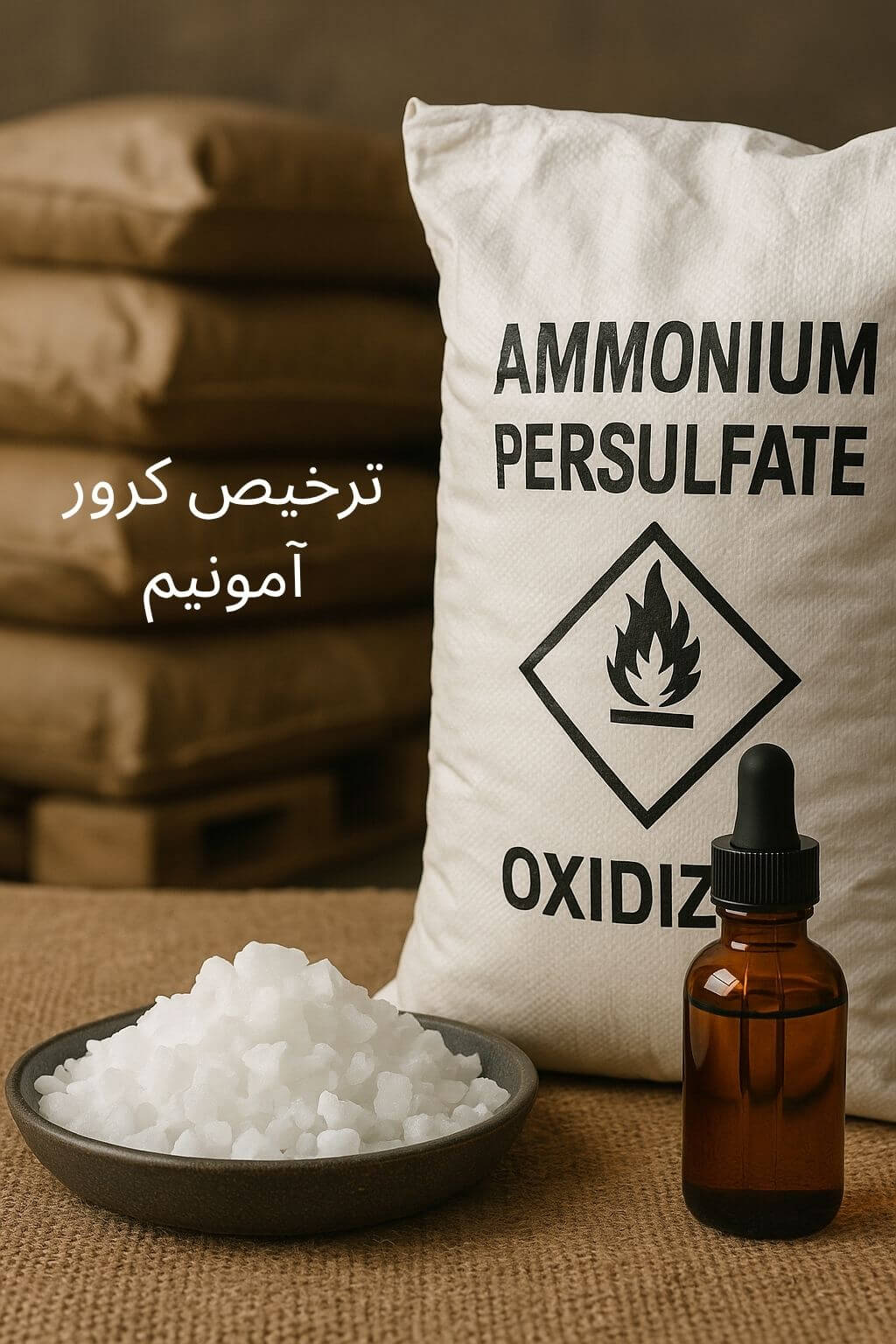
Customs clearance of ammonium persulfate (also known as Ammonium Persulfate) is one of the widely used and practical chemicals across various industries. It is recognized as a strong and widely used oxidizing agent. This substance has extensive applications in polymer industries, textiles, water treatment, and even in the production of printed circuit boards (PCB).
Explanation of the clearance steps for this product

To estimate the time and cost of customs clearance for ammonium persulfate, contact the experts at Saba Tarkhis.

Instant & Free Consultation

1) Industrial Applications of Ammonium Persulfate

Industrial applications of ammonium persulfate in polymer industries: Ammonium persulfate is used as an initiator in radical polymerization processes. This substance is particularly important in the production of polyacrylamide and polyvinyl alcohol, which are used in manufacturing plastics and other polymer products.
Textile and Dyeing Industry: Due to its high oxidizing property, ammonium persulfate is used in bleaching and fabric preparation processes, as well as a dye-fixing agent.
Water and Wastewater Treatment: This substance is used as an oxidizing agent to remove contaminants, reduce odor, and improve water quality in treatment plants.
Electronics and PCB Production: Ammonium persulfate is used in manufacturing printed circuit boards and as a cleaning agent for boards and electronic equipment. It can easily remove organic materials and contaminants from circuit surfaces.
Laboratories and Chemical Research: In laboratories, this substance is used as a strong oxidizing agent in chemical tests and various research processes.

2) Key Considerations in Clearing Ammonium Persulfate from Iranian Customs

1. Customs Tariff Code (HS Code)

Ammonium persulfate, also known as ammonium persulfate, is classified under the customs tariff code 28334000 in Iran’s customs system. This tariff code not only helps accurately identify the product but also directly affects the amount of duties and taxes payable. Precise knowledge of this code and applying it in all import documents—including order registration, invoices, and certificates of origin—is essential. This tariff code also helps distinguish similar goods in customs, and any error in determining it can lead to serious delays in customs clearance.

2. Permits and Certificates

Importing ammonium persulfate into Iran requires obtaining several permits from relevant authorities due to the specific chemical nature of this substance and its potential hazards. These permits include the following:
Department of Environment permit: This authority must ensure that importing this substance does not pose a threat to the environment. Given the strong oxidizing properties of ammonium persulfate, it may damage water and soil resources in case of leakage or improper handling. Ministry of Industry, Mine and Trade permit: This permit is mandatory to approve the industrial and commercial applications of ammonium persulfate and to control its import and export based on national trade policies.
Safety and health certificates: Certificates related to the safe transportation and storage of this substance are highly important. These certificates must be issued by reputable international bodies and approved by local authorities.

3. Transportation Considerations

Due to its strong oxidizing property, ammonium persulfate must be transported under special conditions to prevent any potential hazards. Some critical considerations for transporting this substance are:
Packaging: Packaging for ammonium persulfate must comply with international standards such as UN and the IMDG Code. These standards set precise requirements regarding the type and quality of packaging for transporting hazardous materials.
Labeling and marking: Every shipment of ammonium persulfate must be marked with appropriate warning signs, such as the oxidizing substances symbol, fire hazard symbol, and the UN number. These markings provide critical information to carriers and customs personnel.
Safe transportation: It is mandatory to select suitable means of transport that can meet the specific storage and handling conditions for this substance. This includes using special containers and transport vehicles that are licensed to carry hazardous materials.

4. Storage Conditions

Proper storage of ammonium persulfate is one of the critical aspects of managing this chemical. Storage conditions must minimize potential hazards and prevent unwanted chemical changes:
Storage environment: Ammonium persulfate must be stored in a dry, cool place. High humidity or elevated temperatures can lead to decomposition and the formation of hazardous byproducts.
Away from heat sources and flammables: Due to its strong oxidizing nature, this substance must be kept away from any flammable materials and heat sources. It should also be stored in warehouses with proper ventilation systems to prevent the accumulation of possible gases.
Labeling and access: Warehouses storing this substance must be properly labeled, and access to them should be restricted to authorized personnel only. Information about hazards and safety instructions must be available to all warehouse staff.
Fire suppression systems: Warehouses where ammonium persulfate is stored must be equipped with fire suppression systems that can act quickly in case of fire. The extinguishing agents used must be compatible with the chemical nature of the substance.

3) Import and Export Conditions for Ammonium Persulfate

Imports into Iran: Ammonium persulfate is mainly imported from China, India, and Germany. These countries are the largest producers of this substance, and the quality of their products is recognized globally.
Exports from Iran: While production of ammonium persulfate in Iran is limited, exports of this substance to neighboring countries such as Turkey, Iraq, and other countries in the region may increase in the future with the development of domestic production.

4) Import/Export Volumes and Global Role

Imports into Iran: Annual imports of ammonium persulfate into Iran reach several thousand tons. Due to extensive industrial needs in Iran, this substance has a large market.
Global role: China, the United States, India, and European countries are among the largest producers and consumers of ammonium persulfate worldwide. Production and consumption in these countries are very high due to strong demand across various industries.

5) Best Practices for Clearing Ammonium Persulfate from Iranian Customs

To clear ammonium persulfate quickly and efficiently from customs, follow the steps below:
Preparation and submission of complete documents: Ensure that all required documents—including import permits, transport documents, and safety and packaging certificates—are prepared and submitted to customs. Cooperation with a specialized customs broker: Choosing an experienced broker familiar with chemical clearance processes can speed up the clearance procedure.
Payment of customs duties and taxes: Precisely calculate applicable duties and taxes and pay them on time to avoid clearance delays.
Compliance with packaging and transport standards: Appropriate packaging according to the chemical nature of the substance and adherence to international transport standards are essential requirements for clearing ammonium persulfate.
Goods Short Description HS Code
Ammonium Persulfate Strong oxidizer; industrial/laboratory 28334000

The exact tariff line depends on the form of supply, grade, packaging, and end use.

Need precise HS determination, permits, and document preparation? Our team manages the case from start to finish.

Request a Proforma Invoice
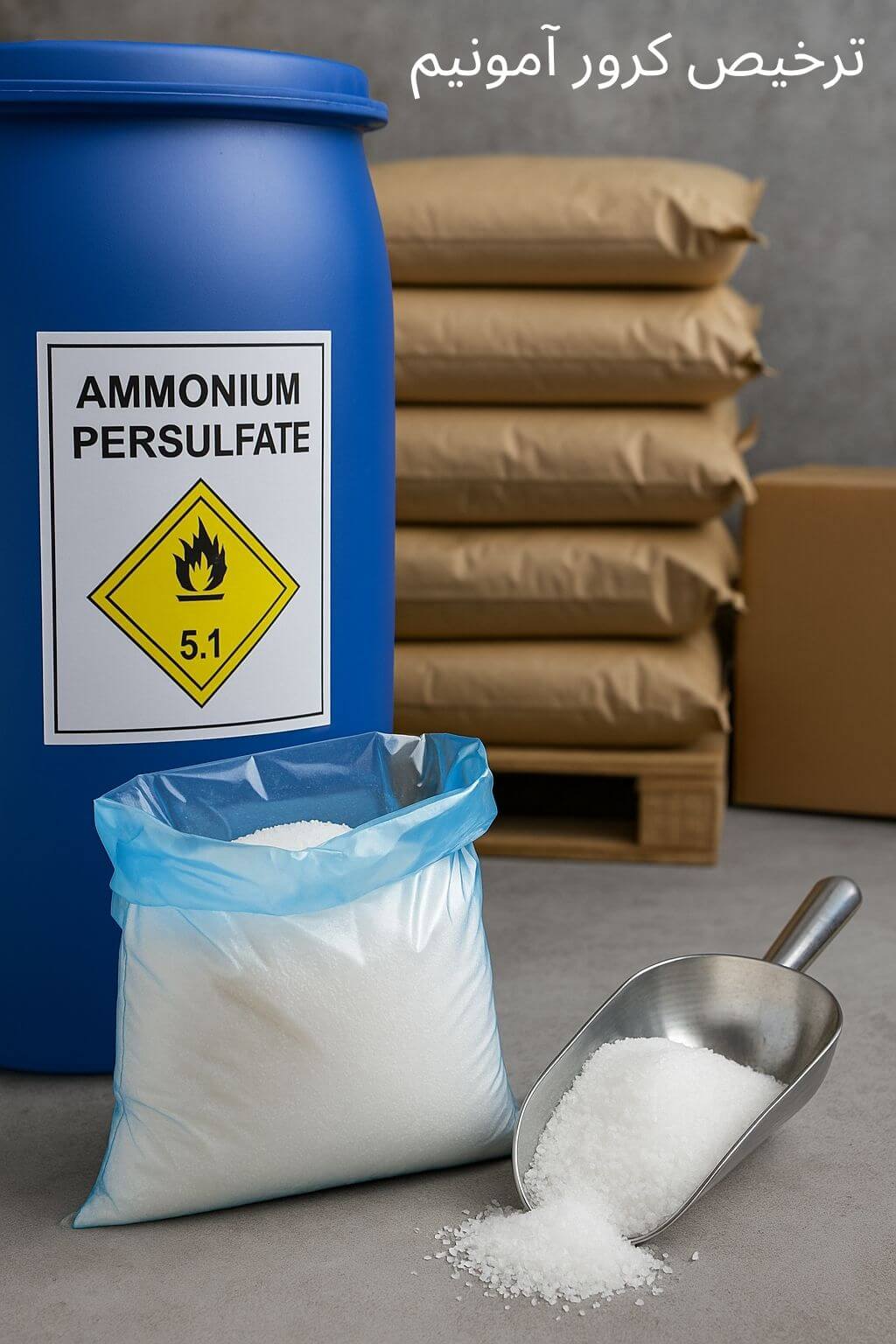
Explanation of the clearance steps for this product

Frequently Asked Questions

What is the HS Code for ammonium persulfate?

Ammonium persulfate is usually classified under 28334000; the final determination depends on technical specifications and application.

What permits are required for import?

As applicable: permit from the Department of Environment, approval from the Ministry of Industry, Mine and Trade for industrial/commercial use, and safety certificates for transport/storage from reputable authorities.

What are the packaging and transport requirements?

Compliance with UN/IMDG standards, oxidizer labeling and inclusion of the UN number; use of vehicles licensed for hazardous materials transport is mandatory.

    Specialized Customs Clearance Services by Saba Brokerage

    With years of experience in customs clearance, our team is recognized as one of the most reputable customs brokers in Iran. At Saba Brokerage, we provide comprehensive services for clearing ammonium persulfate and other chemicals, which include the following stages:
    Specialized pre-clearance consulting: Our experts guide you on the right clearance path by thoroughly reviewing documents and providing technical and legal advice.
    Preparation and compilation of documents: We help you prepare and compile all necessary documentation for customs clearance completely and accurately to avoid issues in later stages.
    Follow-up of customs procedures: Our team diligently follows all clearance stages, including order registration, obtaining permits, inspection and evaluation of goods, and payment of duties, ensuring your goods are cleared from customs as quickly as possible and without issues.
    Transport and packaging services: Leveraging a broad network of international carriers, Saba Brokerage provides specialized transport and packaging services so your goods reach their final destination with full assurance.
    Post-clearance support and services: Even after clearance, we assist you with subsequent stages, including warehousing, domestic transport, and managing risks associated with chemicals.

    Contact our experts for more information.

    Back to List