.png)
Customs Clearance of Vinyl Acetate in Iran (HS Code + Documents & Permits)
To estimate the time and cost of vinyl acetate clearance, contact Saba Tarkhis experts.
Instant free consultation1) Detailed Description: Vinyl Acetate & Industrial Applications
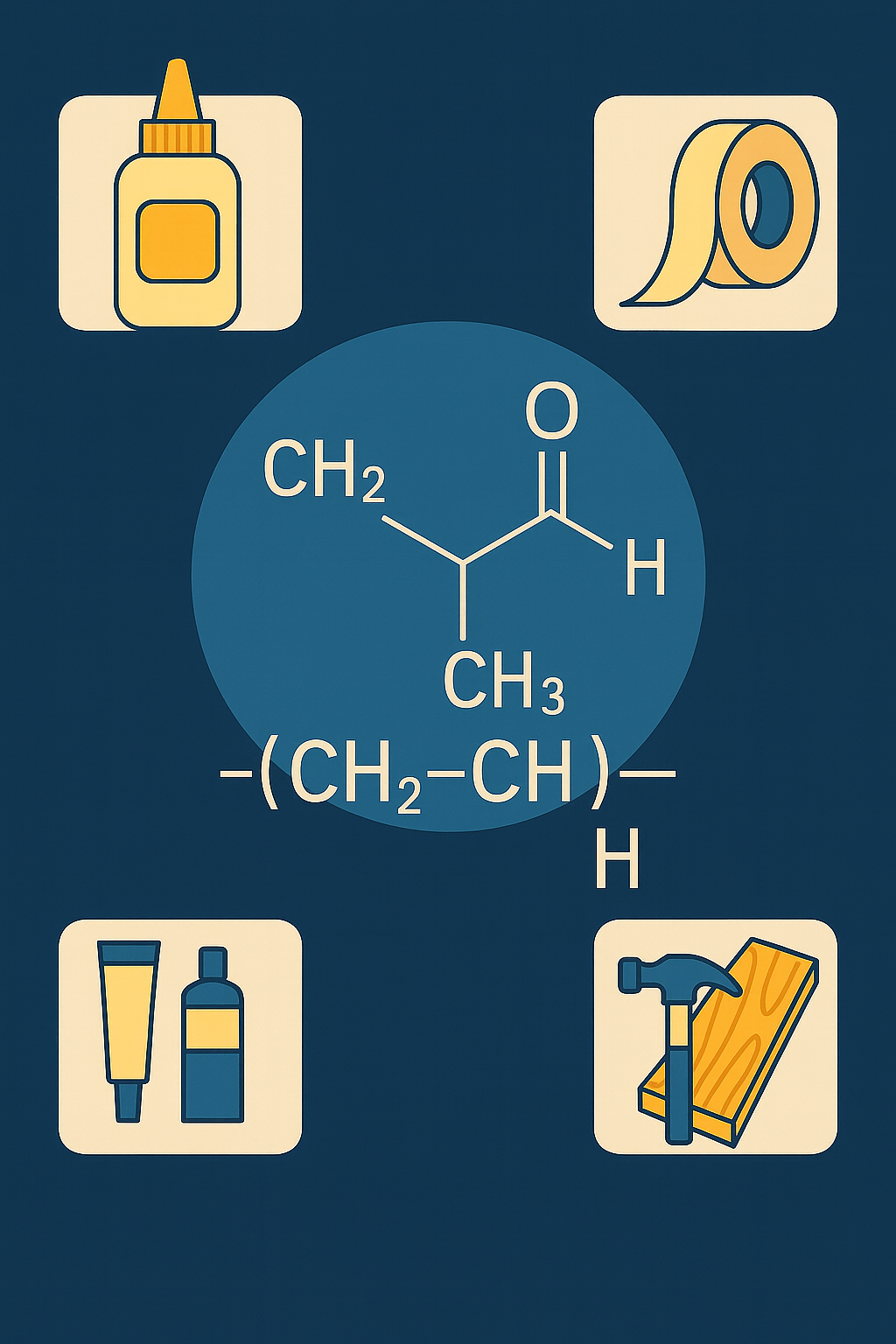
Vinyl acetate is recognized as a key material across multiple industries. Its industrial applications include:Adhesives industry: Vinyl acetate is the primary base for producing pressure-sensitive and water-based adhesives. Owing to its strong adhesion and high flexibility, it plays a vital role in manufacturing industrial and commercial adhesives.
Coatings & paints: In industrial and architectural coatings, vinyl acetate is used to enhance physical properties such as moisture resistance and weatherability. Coatings formulated with this material provide excellent protection for various surfaces.
Synthetic fibers: Vinyl acetate plays a key role in producing synthetic fibers used in the textile industry. These fibers, thanks to favorable properties such as high strength and flexibility, are used in garments and specialized textile products.
Packaging: This material is used in producing plastic films and packaging materials. Films containing vinyl acetate, due to their moisture barrier and environmental resistance, are used in food and pharmaceutical packaging.
Synthetic rubber production: In combination with other chemicals, vinyl acetate helps produce synthetic rubbers used in automotive and other industrial applications.
2) Types & Uses Across the Vinyl Acetate Value Chain
Vinyl acetate feeds PVA and PVOH production; the resulting resins are used in water-based adhesives, coating emulsions, packaging films, and textile fibers. Selecting the right grade (purity, moisture, stabilizer) aligned with the end use must be clearly stated in purchase and clearance documents.
3) Key Points for Vinyl Acetate Customs Clearance
- Order registration in the Comprehensive Trade System and obtaining health and environmental permits appropriate to the chemical nature of the goods.
- Providing a valid manufacturer COA (purity, water, acidity, volatiles) and, if needed, an SDS for safe transport/storage.
- Transparent valuation per Incoterms and contract; consistency between invoice, bill of lading, and packing list to avoid holds.
- Readiness for potential sampling by customs/standards body and submitting supporting documents to expedite processing.
4) Tariff / HS Code for Vinyl Acetate
| Goods | Short description | HS Code |
|---|---|---|
| Vinyl Acetate (Monomer) | Base monomer for PVA/PVOH & emulsions | 29153200 |
Final classification depends on purity, additives, packaging method (drum/ISO tank), and application.
5) Special Conditions for Import & Export of Vinyl Acetate
Import of Vinyl Acetate to Iran
Most vinyl acetate imported to Iran comes from industrially advanced countries such as China, the United States, Germany, and South Korea. These countries possess advanced technologies for chemical production and are recognized as major global suppliers of vinyl acetate. China, as the largest producer, can supply this material at competitive prices and on a large scale. In addition, other industrialized countries such as the United States and Germany, thanks to advanced production technologies, offer high-quality products with strict standards, making the Iranian market interested in importing from them.
Export of Vinyl Acetate from Iran
Currently, direct exports of vinyl acetate from Iran are very limited. However, with the growth of Iran’s chemical industry and increased production capabilities, there is potential to manufacture derivatives and processed products that can be exported to neighboring and emerging markets. Examples include industrial adhesives, protective coatings, and synthetic fibers.
6) Iran Market: Volume & Trend
Given broad domestic demand, vinyl acetate imports into Iran are substantial. On average, several thousand tons are imported annually to meet the needs of adhesives, paints & resins, rubber, and packaging sectors. Despite growing local capacities in vinyl-acetate-based products, reliance on imports continues. Exports of vinyl acetate itself remain limited due to production constraints, with most exports involving derivatives.
7) Global Trade & Major Players
Vinyl acetate is a high-use chemical globally with significant international trade value. Global production has steadily risen in recent years due to growing demand across industries. China, as the largest producer and exporter, plays a key role in pricing and supply. The United States, Germany, and Japan also hold significant shares in production and exports.
8) Major Global Exporters & Importers
China: The largest producer and exporter thanks to high capacity and low production costs.
United States: A leader in high-quality chemicals with extensive global exports.
Germany & Japan: With advanced technology and stringent standards, they hold a considerable share of international markets.
South Korea: With rapid chemical-industry growth, it has become a key exporter.
Major vinyl acetate importers worldwide
Countries with advanced or developing industries requiring chemicals for manufacturing include:
India: Rapid industrial growth has made it one of the largest importers.
Iran & Turkey: Due to extensive domestic demand, these countries are major importers.
Mexico & Brazil: With large packaging and plastics sectors, they are significant importers.
9) Documents Required for Vinyl Acetate Clearance
Clearing vinyl acetate requires a set of documents, each playing a key role in ensuring the imported goods comply with customs regulations and national/international standards. These documents speed up clearance and ensure the goods enter with all necessary permits.1. Commercial Invoice (Invoice)
The invoice must include details such as:
Seller and buyer names/addresses, date of issue, detailed description (e.g., vinyl acetate), unit price and total price
Payment and transport terms. Clear, accurate information is essential for clearance.
2. Packing List
The packing list details packaging, including:
Number of packages, net and gross weights, dimensions of each package
Description of each package’s contents. It is crucial for verification and matching with the bill of lading.
3. Bill of Lading (B/L)
The B/L documents shipment from origin to destination. Issued by the carrier, it includes: shipper and consignee, mode of transport (vessel, aircraft, truck, etc.), description (e.g., vinyl acetate)
Loading and discharge details. It proves the goods reached their destination.
4. Certificate of Origin
Specifies the country of manufacture; usually issued by the exporting country’s chamber of commerce and required by the importing customs.
5. Health & Safety Permits
As a chemical, vinyl acetate requires:
Health permit: to ensure compliance with health standards.
Environmental permit: to confirm adherence to environmental requirements.
6. Certificate of Analysis (CoA)
Provides detailed chemical composition and physical properties of vinyl acetate. Issued by the manufacturer or accredited labs; required to verify quality and safety.
7. HS Code
Vinyl acetate is classified under 29153200. This enables customs to identify the goods and calculate duties/tariffs. Accurate HS code on all documents is critical.
8. Standard Permit (if required)
In some cases, a permit from the Iranian National Standards Organization is required to ensure compliance with applicable standards.
9. Customs Declaration
Completed by the importer or authorized agent; includes all details on the goods, value, quantity, origin, and transport conditions to help determine duties and taxes.
10. Order Registration in the Comprehensive Trade System
Goods must be registered in Iran’s system; without approved order registration, clearance will not be permitted.
11. Cargo Insurance Policy
Insures the goods against transport risks (damage, theft, loss) and is submitted to customs as risk coverage.
Key Tips & Practical Recommendations
- Ensure precise entry of “chemical name, purity, grade, packaging type” across all documents.
- Submit up-to-date COA and SDS from the manufacturer with the file to reduce hold risk.
- For valuation transparency, align Incoterms with transport/insurance conditions.
- If end-use changes, obtain additional permits (health/standards) in advance.
Frequently Asked Questions
What is the HS Code for vinyl acetate?
The common tariff line is 29153200; the final line is confirmed based on specs and packaging.
Which permits are required for clearance?
Order registration, health/environmental permits, CoA, and—if requested by the Standards Organization—a standards permit; along with commercial and transport documents.
What are the main countries of origin for Iran’s imports?
China, the United States, Germany, South Korea—depending on price, supply capacity, and transport conditions.
How can we shorten vinyl acetate clearance time?
Pre-submit complete documents, ensure HS alignment, be ready for sampling, and coordinate transport per safety requirements (SDS).
Premium Clearance Services by Saba Brokerage
- To accelerate chemical-goods clearance—including vinyl acetate—using a reputable, professional company can markedly reduce time and costs. A highly experienced brokerage specializing in chemical and industrial goods manages all customs procedures with greater speed and precision.
Services include:
Rapid acquisition of health & environmental permits: Our experts, via close coordination with authorities, fast-track permits so you can clear goods without delay.
Expert HS code advisory: Accurate HS classification directly impacts duty costs. Our specialists help optimize import costs through precise code selection.
End-to-end customs management: From order registration to final delivery, all stages are managed professionally so you needn’t worry about complex admin details.
Safe warehousing & transport: Given the sensitivity of storing and transporting chemicals like vinyl acetate, we partner with top logistics providers to ensure safety at every step.
With these premium services, you can proceed with confidence and benefit from our team’s professional experience.
