.png)
Customs Clearance of Various Balloons and Gliders (HS Code + Documents & Permits)
Customs clearance of various balloons and gliders from customs is a sensitive process requiring specialized knowledge. Due to the technical characteristics and applications of these items, a comprehensive understanding of customs regulations, international standards, and related permits is essential.
For estimating the time and cost of balloon and glider clearance (recreational, research, advertising, and unmanned), contact the Saba Tarkhis experts.
Instant & free consultation1) Introduction and categorization of balloons and gliders
Balloons and gliders are engine-less aircraft used for various reasons, including aerial recreation, specialized sports, scientific research, and even advertising. Owing to their unique design and performance, they fall into different categories, each requiring special attention during import and customs clearance.
2) Types of balloons
Hot air balloons:
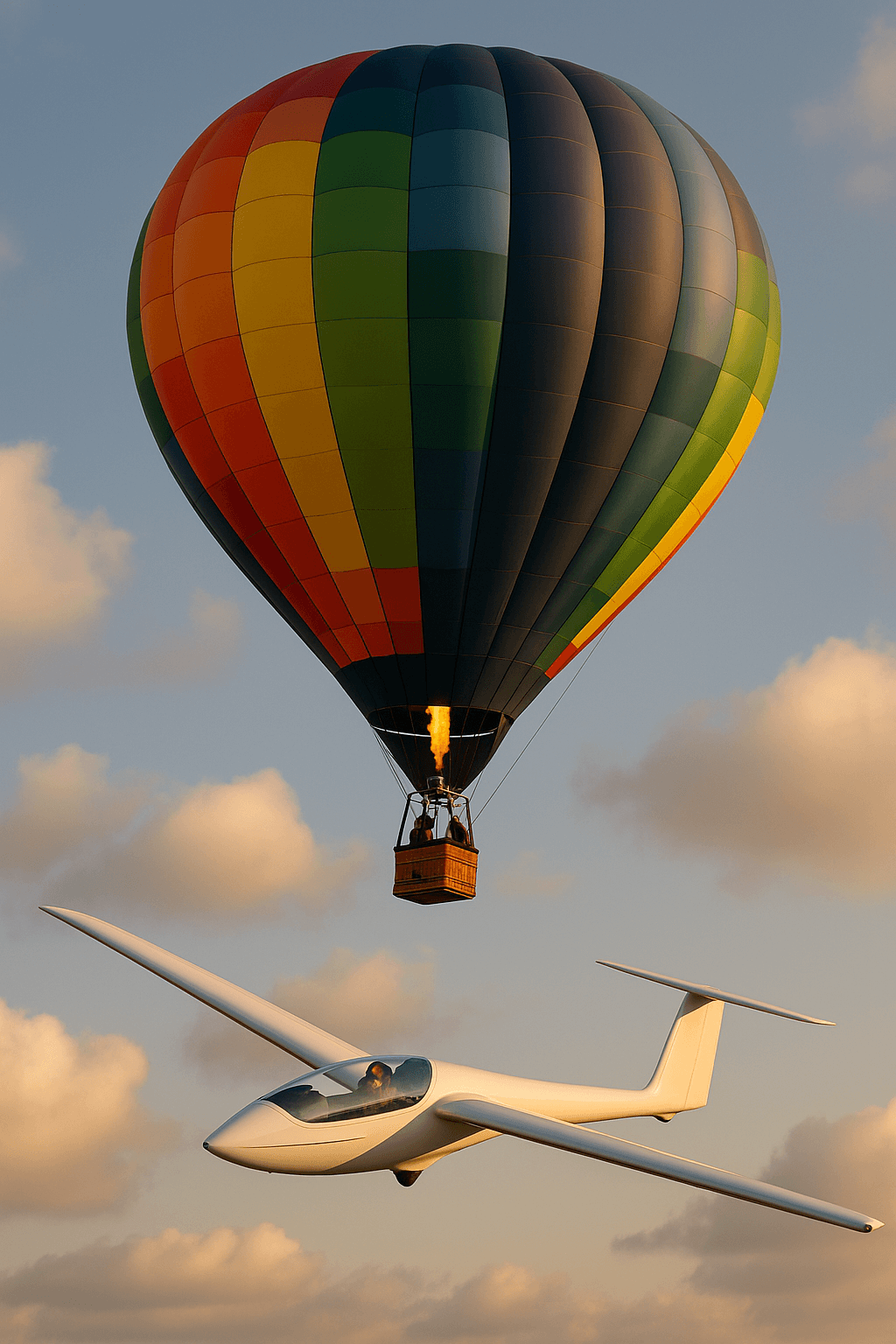
Technical description: These balloons operate based on air density differences. By heating the air inside the balloon using gas burners, the internal air becomes lighter than the outside air, enabling ascent. Due to their large size and complex control systems, they require specialized equipment for installation and operation.
Applications: Commonly used in aerial tourism to offer unique flight experiences over natural and historical areas. They are also used in certain regions for specialized sporting events and air shows.
Advertising balloons:
Technical description: Designed not only for flight but also to display large-format advertising messages. These balloons can be used as stationary installations in public places or in motion to attract wider attention.
Applications: Employed in events and promotional campaigns for major brands and companies. As a highly effective advertising tool, these balloons attract extensive attention in open spaces.
Research balloons:
Technical description: Research balloons are typically equipped with advanced scientific instruments such as sensors, specialized cameras, and atmospheric data measurement devices. They can ascend to very high altitudes and remain airborne for extended periods.
Applications: Used to collect atmospheric data, conduct environmental studies, monitor climate change, and perform research in areas with limited ground access.
3) Types of gliders
Recreational and sport gliders:
Technical description: Gliders (motorless aircraft) rely on specific aerodynamic design to fly without engines. They utilize air currents for flight and, thanks to their lightweight structure and long wings, can cover long distances with minimal energy.
Applications: Used in air sports—especially in flight competitions—and for motorless pilot training. Aviation enthusiasts can experience flight without engines using these gliders.
Unmanned (drone) gliders:
Technical description: These gliders are autonomously or remotely piloted and, due to the absence of a crew, are easily deployed for specific missions. They usually feature advanced surveillance equipment, high-resolution cameras, and GPS systems.
Applications: Used in military and civilian operations, including aerial surveillance, aerial photography, mapping, and even light cargo delivery missions.
4) Specialized applications of balloons and gliders
Given their unique characteristics, balloons and gliders have wide-ranging applications across industries. These aircraft are not only used in air sports and recreation but also play a significant role in scientific research and industrial applications.
Hot air balloons are widely used in tourism as one of the most attractive aerial attractions. They are also featured in special events and festivals as part of air displays.
Advertising balloons, capable of displaying large messages, are among the most effective tools for major brands—especially in large public events, stadiums, and exhibitions.
Research balloons, thanks to their ability to reach high altitudes and remain airborne for long durations, are primary tools in atmospheric and environmental research. They are used in climate change studies, meteorological investigations, and even space-related projects.
Sport gliders, due to their light weight and high maneuverability, are used in flight competitions and for motorless pilot training—offering enthusiasts a unique opportunity to experience flight.
Unmanned gliders are utilized in surveillance and military missions thanks to their crewless operation and advanced technical capabilities. They also serve in aerial photography, mapping, and even light-goods delivery.
5) Key points in clearance, customs tariffs, and HS code
Due to their specific technical features and applications, clearing balloons and gliders from customs requires strict compliance with regulations and legal requirements. This section thoroughly reviews key points in the process, including customs tariff and HS code, permits and legal requirements, international standards, and packaging & transport.
Customs tariff and HS code
Customs tariffs for balloons and gliders vary due to differences in type, application, and manufacturing technology. In general, these aircraft are classified under HS code 8801, related to “non-powered aircraft.” This code specifically covers hot air balloons and sport gliders.
Important notes when determining the HS code: Type and application: Each balloon or glider may fall under a different subheading of HS 8801 depending on its use. For example, research gliders equipped with advanced scientific instruments may, due to their specialized application in atmospheric studies, require a different HS subheading. Errors in HS classification: Any mistake in determining the HS code can result in serious consequences, including incorrect tariffs, financial penalties, clearance delays, and even the return of goods by customs. Accurate HS classification is therefore critical.
Key points in obtaining permits
Civil Aviation Organization: For importing any aircraft—including balloons and gliders—obtaining a permit from the Civil Aviation Organization is mandatory. The organization issues the entry permit after assessing the technical and safety specifications of the equipment. Ministry of Sports and Youth: If the equipment is imported for sports or recreational purposes, approval and a permit from the Ministry of Sports and Youth is required. These permits are issued based on the type of use and international sports standards. Security permits: Certain types of gliders, especially unmanned ones used for military or surveillance purposes, may require special security clearances from relevant military and security bodies. These are issued based on the sensitivity and type of application.
International standards
Given their sensitive and complex nature, balloons and gliders must be manufactured in compliance with international safety and quality standards. These standards are essential not only to ensure flight safety but also to guarantee environmental compatibility and compliance with national and international regulations.
Key points in complying with international standards: Safety and quality certificates: Importing this equipment requires valid certificates from manufacturers confirming compliance with international standards such as ISO, CE, and FAA. These certificates specifically address structural safety, resistance to various weather conditions, and operational performance. Tests and technical approvals: Some aircraft—such as research balloons or unmanned gliders—may need technical tests by accredited organizations, including flight safety tests, stability under different weather conditions, and control-system performance. Compliance with national regulations: In addition to international standards, aircraft must also comply with the destination country’s national regulations. These may include import restrictions, airspace usage rules, and country-specific safety standards.
Packaging and transportation
Packaging and transportation of balloons and gliders is one of the most challenging stages of the import process. Due to their sensitive and complex structure, these aircraft require special packaging and transport that protect them from physical and environmental damage. Key points in packaging and transport: Specialized packaging: These aircraft are usually shipped disassembled in specialized packaging. Packaging must prevent any impact, pressure, or physical damage to the components. For instance, balloons and gliders should be packed in robust crates with protective foam layers or other shock-absorbing materials. Safe transport: Due to the large dimensions and high sensitivity of this equipment, it may be necessary to use specialized transport services such as air or sea freight under specific conditions—e.g., dedicated cargo aircraft or ships with special facilities. Storage conditions during transport: Maintaining appropriate environmental conditions such as temperature and humidity is crucial. To prevent damage from adverse weather, temperature-controlled containers or protective waterproof and moisture-resistant covers may be required. Transport insurance: It is recommended to obtain comprehensive cargo insurance for these sensitive items so that any incident or damage during transit is fully covered.
6) Required documents for balloon and glider clearance
Clearing balloons and gliders from customs requires a set of specific documents to ensure compliance with customs laws and regulations and alignment with required standards.
1. Proforma Invoice The proforma includes information such as product type, quantity, unit price, total price, payment terms, and seller/buyer details. It serves as the first commercial document in the import process.
2. Commercial Invoice The commercial invoice is the finalized and approved version of the proforma, detailing the goods, final price, delivery terms, and payment terms.
3. Packing List This document provides precise information on packaging, including the number and type of packages, net and gross weights, and package dimensions—necessary for reconciling imported goods with documents and facilitating clearance.
4. Bill of Lading Issued by the carrier, the B/L confirms the transfer of ownership from seller to buyer and contains details about the mode of transport, carrier information, origin/destination, and carriage terms.
5. Certificate of Origin Issued by the chamber of commerce in the producing country, it identifies the country of origin and is used to determine customs tariffs and applicable trade preferences.
6. Inspection Certificate In some cases—especially for sensitive equipment like balloons and gliders—an inspection certificate is mandatory. It attests to quality checks and compliance with specified standards and may be issued by a reputable inspection company or a governmental body.
7. Standards Certificate For importing balloons and gliders, valid certificates confirming compliance with international safety and quality standards are required. These may include approvals such as ISO, CE, and other relevant standards.
8. Import License Importing these items into Iran may require permits from bodies such as the Civil Aviation Organization or the Ministry of Sports and Youth. These must be obtained before starting the clearance steps and presented to customs.
9. Commercial Card Issued by the Chamber of Commerce, this authorizes traders to conduct international trade, including imports and exports.
10. Order Registration Certificate This document confirms that the order has been registered with Iran’s Ministry of Industry, Mine and Trade (MIMT). It is used to control imports and prevent uncontrolled inflows.
11. Insurance Certificate Confirms that the imported goods are insured—essential for protecting cargo against potential risks during transportation.
12. Customs Declaration Form Completed by the importer or their customs broker, it includes full details of the imported goods, their value, applicable tariffs, and other information needed to assess and pay customs duties.
13. Security Clearance If the goods have specific military or security applications, special security clearances from relevant bodies may be required. The type and use of the goods determine the specific requirements.
14. Proof of Customs Duty Payment This document shows that customs duties and related taxes have been paid; without it, clearance is not possible.
15. Compliance Certificate Confirms that the goods comply with national and international regulations and requirements, including safety, environmental, and health aspects; issued by regulatory bodies or reputable inspection companies. 16. Loading and Unloading Certificate Documents the loading/unloading processes at origin and destination and helps ensure cargo integrity throughout transport.
7) Exporting and importing countries for balloons and gliders
Exporters: European countries such as Germany, France, and the United Kingdom are among the largest exporters of balloons and gliders worldwide, producing high-quality products that meet international standards thanks to advances in aeronautical technology.
Importers: Iran, as a growing market for this equipment, is one of the major importers in the region. In addition to Iran, countries in the Middle East, Asia, and Latin America also purchase these items.
8) Import and export conditions for balloons and gliders
Import: To import this equipment into Iran, complete documentation—including sales invoice, packing list, relevant standard certificates, and permits—must be submitted to customs. Payment of duties and taxes is mandatory. Export: To export these goods from Iran, international standards must be met and the necessary permits obtained from relevant organizations. Neighboring countries and Central Asian states are important export markets for these items.

Frequently Asked Questions
What is the HS code for balloons and gliders?
As per the text, these items are generally classified under HS 8801 (non-powered aircraft); the exact subheading depends on the specific type/application.
Which permits are required for import?
Permits from the Civil Aviation Organization; where applicable, approval from the Ministry of Sports and Youth; and for certain unmanned types, relevant security clearances.
What are the packaging and transportation requirements?
Ship components disassembled in robust crates, use shock-absorbing layers, control temperature/humidity, and obtain comprehensive cargo insurance.
Saba Brokerage’s specialized services in balloon & glider clearance
With years of experience in customs clearance across Iran’s customs offices, Saba Brokerage offers specialized services for clearing balloons and gliders. These services include:
Specialized consulting: Our expert team provides precise guidance in selecting appropriate customs codes and preparing required documents to streamline the clearance process. Obtaining necessary permits: All essential permits for importing and exporting these items are obtained from the relevant organizations completely and on time. Executing customs procedures: All steps—from document submission to payment of duties and taxes—are handled carefully and promptly by our specialists. Specialized logistics: In cooperation with reputable carriers, we ensure your goods arrive safely and on schedule. Shipment tracking: By continuously monitoring the status of your goods at customs, we ensure clearance is completed without delay.
By using these services, you can be confident that the clearance of your balloons and gliders will be completed quickly, safely, and without issues. With technical knowledge and extensive experience, our team is ready to provide you with the best services.
