.png)
Propylene Oxide Customs Clearance in Iran (HS Code + Documents and Permits)
Epoxy propane (Propylene Oxide), also known by the scientific name propylene oxide, is a key and multi-purpose chemical compound that is widely used across various industries, especially in the production of chemicals, plastics, and polyurethanes. Thanks to its specific properties, this substance is one of the high-demand items in import and export processes in Iran. However, clearing propylene oxide requires strict compliance with standards and customs regulations.
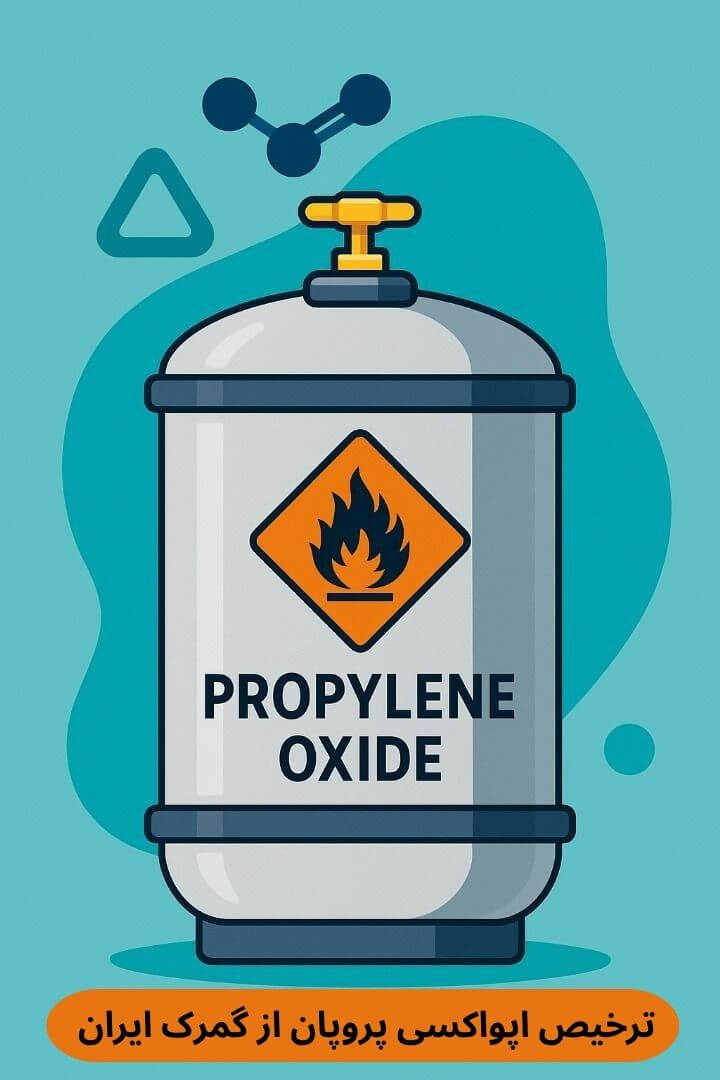
For an estimate of the time and cost of clearing propylene oxide, get in touch with the Saba Tarkhis experts.
Instant Free ConsultationApplications of Propylene Oxide
As a multi-purpose chemical substance, propylene oxide is used in various industries. Some key applications are as follows:
Polyurethane industry: Propylene oxide is used as a raw material in the production of polyurethanes, especially for manufacturing various rigid and flexible foams, thermal and acoustic insulation, and plastic products. Polyurethanes play a significant role in industries such as automotive, construction, and home appliances.
Polyurethane industry: Propylene oxide is used as a raw material in the production of polyurethanes, especially for manufacturing various rigid and flexible foams, thermal and acoustic insulation, and plastic products. Polyurethanes play a significant role in industries such as automotive, construction, and home appliances.
Solvent production: This substance is used in producing chemical solvents for various industries including paint manufacturing, pharmaceuticals, and household products. Due to their high solvency power and unique physical properties, these solvents have wide applications.
Disinfectants: Propylene oxide is used as a sterilizing agent in food products and packaging and is very important from a health and safety perspective.
Pharmaceutical industry: Propylene oxide is used in the formulation of specific medicines as well as in preparing advanced chemicals and pharmaceutical intermediates. It acts as an essential element in producing complex and specialized medicines.
Customs Tariff (HS Code) for Propylene Oxide
The HS code for propylene oxide is 29101, which falls under the classification of ethers and similar chemical derivatives. This code facilitates import and export processes and serves as the basis for calculating customs duties and value-added tax. Knowing this code and how it works is very important for customs brokers and importers.
Key Points in Clearing Propylene Oxide from Customs
Safety and transport standards: Because of its flammability and toxicity, propylene oxide requires strict safety and transport standards. Shipments must be placed in special, secure packaging to prevent leakage and environmental hazards.
Specific permits: Importing propylene oxide requires obtaining the necessary permits from regulatory bodies such as the National Standards Organization, the Department of Environment, and the Ministry of Industry, Mine and Trade. Obtaining these permits requires precise and complete documents that must be prepared before the goods enter the country.
Quality control: Every imported shipment of propylene oxide must undergo rigorous testing to ensure quality and compliance with international standards. This step is important to prevent low-quality goods from entering the market.
International regulations: Propylene oxide is classified as a hazardous chemical and must comply with international regulations for the transport of dangerous goods, including IMDG (International Maritime Dangerous Goods) rules.
Specific Conditions for Importing and Exporting Propylene Oxide
Importing Propylene Oxide into Iran
Propylene oxide (epoxy propane) is a highly important compound in the chemical industry and is used as a raw material to produce many products including polyurethanes, solvents, and plastics. Because of its widespread applications across industries, importing it into Iran is very important. Major countries such as China, Germany, the United States, South Korea, and Japan are the main suppliers of propylene oxide to Iran.
In the import process, importing companies must comply with all relevant international and national standards for chemicals, such as safety and environmental standards. One of the main challenges is sourcing this substance with the desired quality and in accordance with the standards of Iranian industries. Close cooperation with customs brokers and reputable suppliers can facilitate the import process, reduce clearance time, and prevent potential issues.
Since propylene oxide is considered a hazardous substance, special permits from environmental authorities and Iran’s Standards Organization are required to import it. Strict adherence to regulations on transporting dangerous goods, including maritime and air transport rules, is another key point in importing this substance.
In the import process, importing companies must comply with all relevant international and national standards for chemicals, such as safety and environmental standards. One of the main challenges is sourcing this substance with the desired quality and in accordance with the standards of Iranian industries. Close cooperation with customs brokers and reputable suppliers can facilitate the import process, reduce clearance time, and prevent potential issues.
Since propylene oxide is considered a hazardous substance, special permits from environmental authorities and Iran’s Standards Organization are required to import it. Strict adherence to regulations on transporting dangerous goods, including maritime and air transport rules, is another key point in importing this substance.
Exporting Propylene Oxide from Iran
Owing to production capacity and the development of industrial infrastructure, Iran has made significant progress in producing propylene oxide. Exports of propylene oxide to neighboring countries such as Iraq, Afghanistan, Turkey, Azerbaijan, and even some Persian Gulf states are expanding. Because of its broad applications in construction, automotive, and industrial manufacturing, this substance faces strong demand in regional markets.
Expanding exports of propylene oxide from Iran can have a significant effect on the country’s trade balance. In addition, domestic producers can strengthen their presence in foreign markets by establishing international distribution networks and using export facilities such as customs exemptions and government support.
Expanding exports of propylene oxide from Iran can have a significant effect on the country’s trade balance. In addition, domestic producers can strengthen their presence in foreign markets by establishing international distribution networks and using export facilities such as customs exemptions and government support.
Import and Export Volumes and Global Circulation
The volume of propylene oxide imports into Iran is very high due to the broad needs of the chemical, construction, and manufacturing industries. It is estimated that about 50 to 100 thousand tons of this substance are imported into Iran annually. This import volume is due to the wide use of propylene oxide in producing polyurethanes, antifreeze, detergents, and other chemicals. On the other hand, Iran’s exports of propylene oxide are also increasing, and export volumes can reach about 30 thousand tons per year. This upward trend is driven by the development of domestic industries and increased demand in regional markets.
The global circulation of propylene oxide is growing rapidly due to its widespread use across industries. Global demand for this substance reaches about 2 million tons per year. The automotive industry, polymer production, chemical manufacturing, and the construction sector are among the most important consumers worldwide. In addition, developing countries, due to rapid industrial growth, are among the largest demand centers for this substance.
Global Exporters and Importers of Propylene Oxide
The largest global exporters of propylene oxide include China, the United States, Germany, South Korea, and Japan. With strong industrial infrastructures, these countries can produce large volumes of this substance, meeting a substantial share of global demand.
In contrast, countries such as Brazil, India, Russia, Turkey, and some Asian and African nations are among the largest importers. The high demand of their industries for propylene oxide to produce finished products has made them key markets for this substance.
In contrast, countries such as Brazil, India, Russia, Turkey, and some Asian and African nations are among the largest importers. The high demand of their industries for propylene oxide to produce finished products has made them key markets for this substance.
Required Documents for Clearing Propylene Oxide
To clear propylene oxide (also known as propylene oxide) from customs, several documents are essential—both to ensure product quality and authenticity and to comply with import regulations.
1. Commercial Card
The first document you must have is a valid commercial (business/trade) card. This card is your official authorization for import and export, and anyone intending to import goods into Iran must obtain it.
2. Proforma Invoice
The proforma invoice specifies details such as the type, quantity, and price of propylene oxide. This document shows the preliminary agreement between the buyer and seller for the purchase of the goods.
3. Commercial Invoice
The commercial invoice includes precise information about the final value of the goods, their type, and their quantity. This document forms the basis for determining the customs value of the goods and calculating import duties and taxes.
4. Bill of Lading
The bill of lading is issued by the carrier and indicates details about the mode of transport, destination, and cargo specifications. This document is one of the main documents in the customs clearance process.
5. Cargo Insurance
Cargo insurance is a guarantee that covers potential losses during transport. Having valid insurance is essential for any mode of transportation so damages can be compensated in case of problems.
6. Certificate of Analysis
The certificate of analysis confirms the chemical specifications of propylene oxide and is usually issued by the manufacturer or accredited laboratories. This certificate is provided to ensure product quality.
7. Certificate of Origin
The certificate of origin shows the country from which the propylene oxide was exported. This document helps customs apply the appropriate tariffs and import rules related to the exporting country.
8. Standards Certificate
If importing propylene oxide requires compliance with specific standards, a standards certificate must be obtained from valid domestic or international organizations so that the import is approved.
9. Order Registration Permit
To legally import this product, you must obtain an order registration permit through the Ministry of Industry, Mine and Trade’s registration system. Without this permit, it is not possible to clear the goods from customs.
10. Customs Declaration
The customs declaration is one of the documents that must be submitted to customs. It includes information such as the quantity, weight, and value of the goods and helps customs make an accurate assessment of the import.
11. Health or Safety Permit (if required)
For importing chemicals like propylene oxide, in some cases it is necessary to obtain a health or safety permit from the relevant authorities—especially if these substances affect health or the environment.
12. Foreign Currency Commitment (if required)
If you use government currency or foreign-exchange facilities for the import, you must also provide a currency commitment to show that the foreign currency required for purchasing the goods has been properly secured.
1. Commercial Card
The first document you must have is a valid commercial (business/trade) card. This card is your official authorization for import and export, and anyone intending to import goods into Iran must obtain it.
2. Proforma Invoice
The proforma invoice specifies details such as the type, quantity, and price of propylene oxide. This document shows the preliminary agreement between the buyer and seller for the purchase of the goods.
3. Commercial Invoice
The commercial invoice includes precise information about the final value of the goods, their type, and their quantity. This document forms the basis for determining the customs value of the goods and calculating import duties and taxes.
4. Bill of Lading
The bill of lading is issued by the carrier and indicates details about the mode of transport, destination, and cargo specifications. This document is one of the main documents in the customs clearance process.
5. Cargo Insurance
Cargo insurance is a guarantee that covers potential losses during transport. Having valid insurance is essential for any mode of transportation so damages can be compensated in case of problems.
6. Certificate of Analysis
The certificate of analysis confirms the chemical specifications of propylene oxide and is usually issued by the manufacturer or accredited laboratories. This certificate is provided to ensure product quality.
7. Certificate of Origin
The certificate of origin shows the country from which the propylene oxide was exported. This document helps customs apply the appropriate tariffs and import rules related to the exporting country.
8. Standards Certificate
If importing propylene oxide requires compliance with specific standards, a standards certificate must be obtained from valid domestic or international organizations so that the import is approved.
9. Order Registration Permit
To legally import this product, you must obtain an order registration permit through the Ministry of Industry, Mine and Trade’s registration system. Without this permit, it is not possible to clear the goods from customs.
10. Customs Declaration
The customs declaration is one of the documents that must be submitted to customs. It includes information such as the quantity, weight, and value of the goods and helps customs make an accurate assessment of the import.
11. Health or Safety Permit (if required)
For importing chemicals like propylene oxide, in some cases it is necessary to obtain a health or safety permit from the relevant authorities—especially if these substances affect health or the environment.
12. Foreign Currency Commitment (if required)
If you use government currency or foreign-exchange facilities for the import, you must also provide a currency commitment to show that the foreign currency required for purchasing the goods has been properly secured.
| Goods | Short Description | HS Code |
|---|---|---|
| Epoxy Propane (Propylene Oxide) | Multi-purpose chemical; flammable | 29101 |
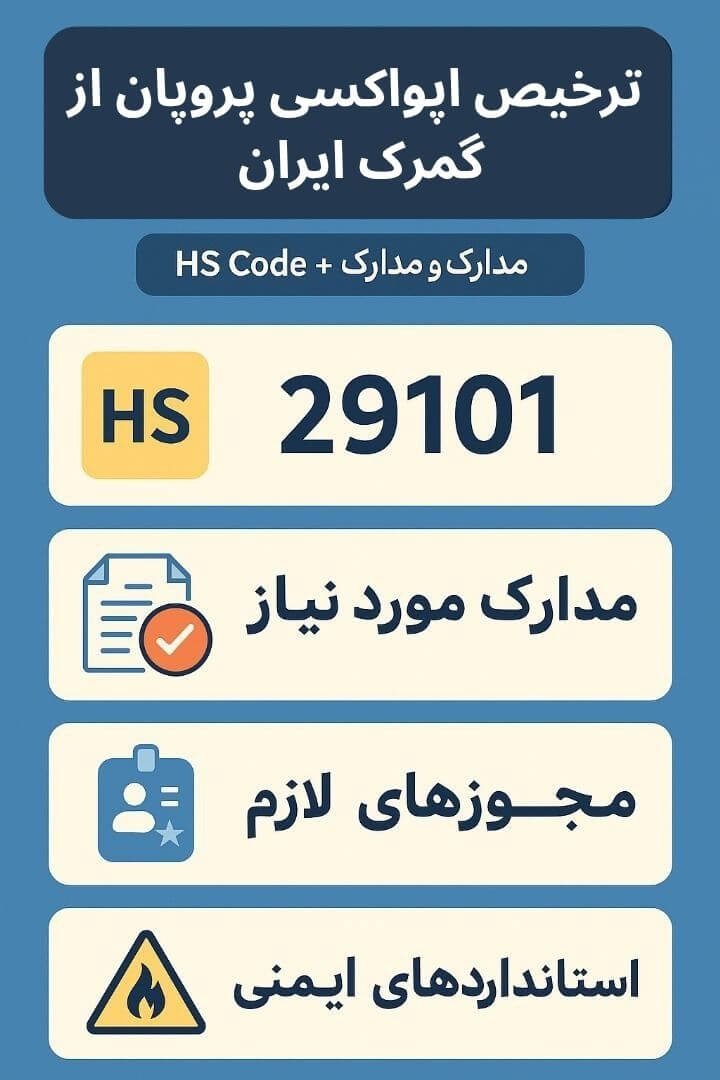
The exact tariff line is determined based on the form of supply, grade, purity, packaging, and final application.
Need precise HS determination, permits, and document preparation? Our team manages the entire case end-to-end.
Submit a Proforma RequestSpecial Customs Clearance Services by Saba Brokerage
Saba Brokerage, as one of the leading customs brokers in importing and exporting chemicals including propylene oxide دwith a team of specialists experienced in customs affairs and fully familiar with international and domestic regulations, provides the following services to its clients:
Obtaining and managing import permits: With extensive experience in securing the necessary permits from various organizations, the team completes all legal processes quickly and without issues. This includes obtaining standards and environmental permits essential for importing chemicals.
Safe packaging and transport: Given the hazardous nature of propylene oxide, the team, in cooperation with reputable carriers, ensures that your shipment is transported in full compliance with international standards. This helps protect worker safety and the environment.
Completing customs procedures and fast clearance: By leveraging broker expertise, all customs stages from document registration to final release are completed as quickly as possible. These services reduce waiting times and speed up delivery to the customer.
Specialized customs consulting: With full knowledge of customs laws and regulations, the consulting team advises you at every stage of import and export. This includes precise information about tariffs, required documents, and specific conditions.
Cost savings: One advantage of using these services is reducing clearance and transport costs. By optimizing processes, it becomes possible to cut extra expenses and avoid unnecessary delays.
With long-standing experience in clearing chemicals such as propylene oxide, this team is the ideal choice for importers and exporters of this substance.
Obtaining and managing import permits: With extensive experience in securing the necessary permits from various organizations, the team completes all legal processes quickly and without issues. This includes obtaining standards and environmental permits essential for importing chemicals.
Safe packaging and transport: Given the hazardous nature of propylene oxide, the team, in cooperation with reputable carriers, ensures that your shipment is transported in full compliance with international standards. This helps protect worker safety and the environment.
Completing customs procedures and fast clearance: By leveraging broker expertise, all customs stages from document registration to final release are completed as quickly as possible. These services reduce waiting times and speed up delivery to the customer.
Specialized customs consulting: With full knowledge of customs laws and regulations, the consulting team advises you at every stage of import and export. This includes precise information about tariffs, required documents, and specific conditions.
Cost savings: One advantage of using these services is reducing clearance and transport costs. By optimizing processes, it becomes possible to cut extra expenses and avoid unnecessary delays.
With long-standing experience in clearing chemicals such as propylene oxide, this team is the ideal choice for importers and exporters of this substance.
